
Kochi Food Guide: Backwater Seafood & Café Alleys
Kochi smells like the point where sea, spice and coffee shake hands. In Fort Kochi, fishermen haul in Chinese fishing nets at sunrise while cafés a block away grind beans for travellers who woke up too early for their own time zone. By afternoon, the humidity turns the air viscous, and the only rational response is fish curry, appam and an iced coffee under a fan moving just slightly slower than your heartbeat.
💡 QUICK INTEL
Mood: Laid-back, tidal
Best Time: December–March; mornings and post-sunset for wandering
Cost: ₹500–₹1,000 per day depending on seafood habits
Safety Rating: 9/10
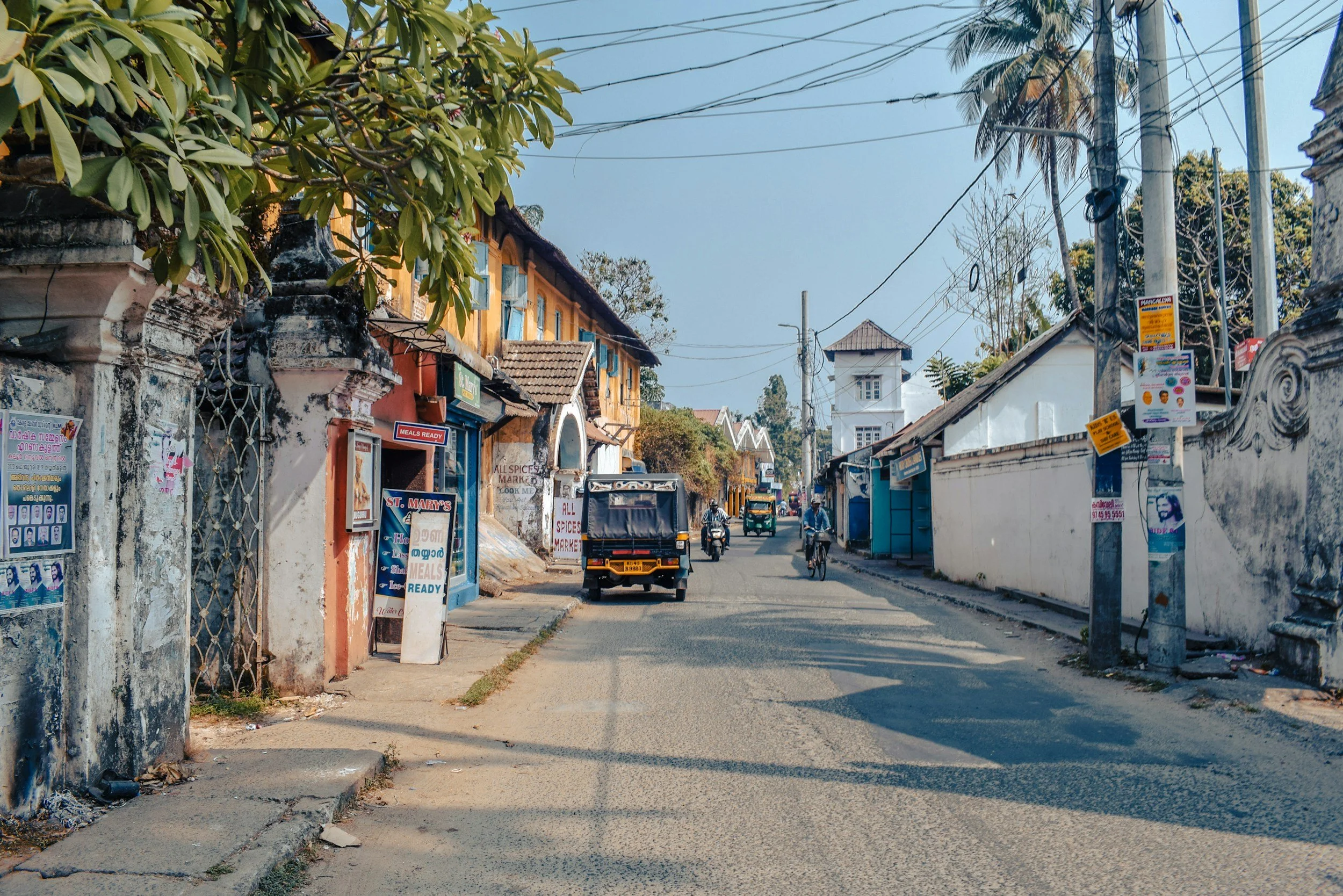
Seafood, Syrian Christian kitchens and the coconut question
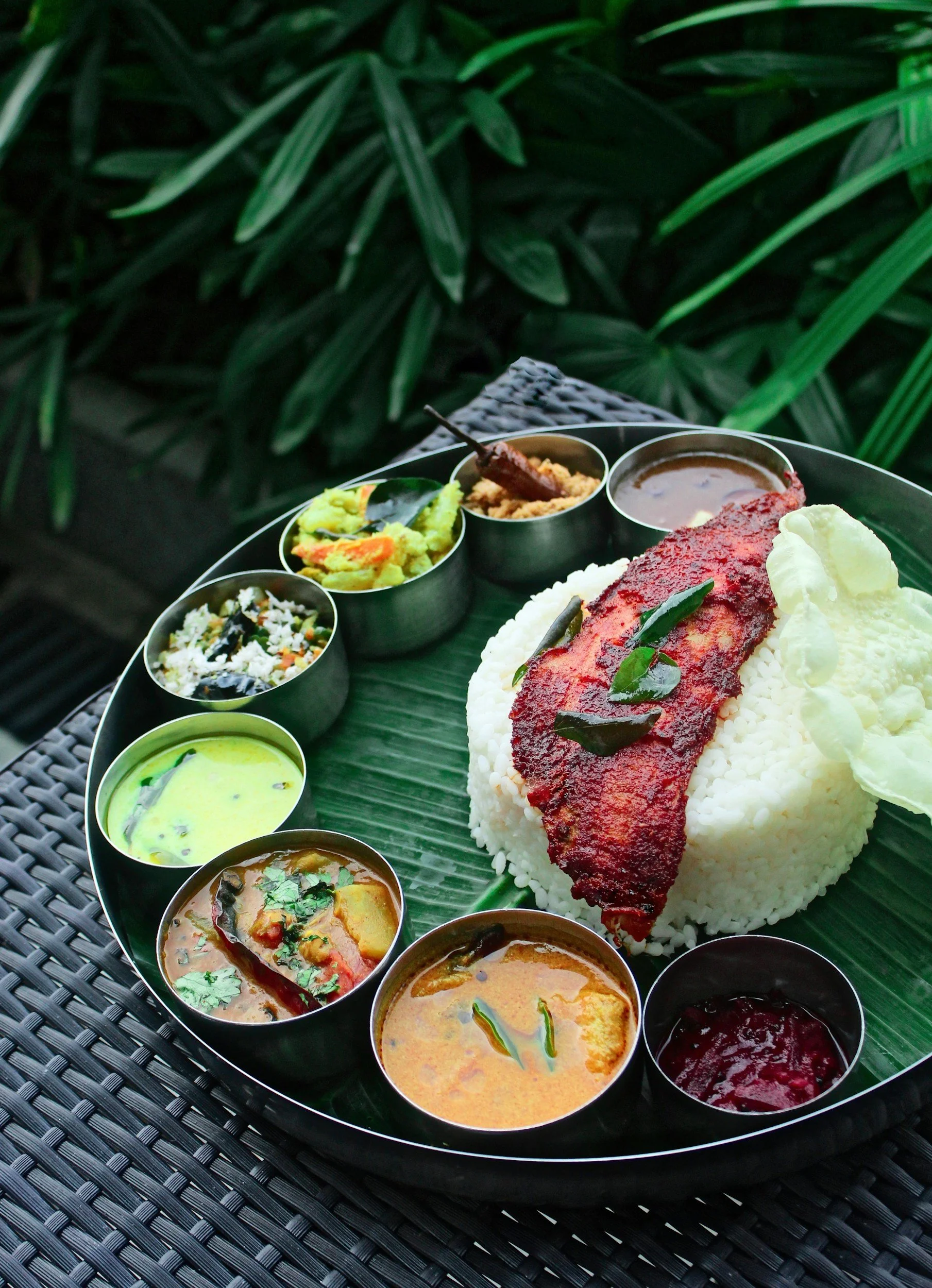
Kochi’s food leans decisively coastal: fish molee, prawn roast, crab in pepper masala, all anchored in coconut-based gravies that taste far lighter than they look. Appam—fermented rice pancakes with lacy edges—and fluffy idiyappam (string hoppers) act as gentle vehicles for these curries. Many family-run restaurants showcase Syrian Christian recipes, where black pepper and curry leaves do some of the heavy lifting that chilli usually handles elsewhere in India. Ask what’s fresh that day rather than chasing a specific fish; the backwaters and nearby Arabian Sea decide the menu long before you do.
Café alleys, art districts and slow afternoons
Fort Kochi and Mattancherry have quietly evolved into café districts: restored heritage homes now house espresso machines, banana bread, Wi-Fi and indie art on the walls. These spaces are ideal for heat management; you can work, read or just stare at ceiling fans between sightseeing rounds. Many cafés bake their own bread and experiment with Kerala-influenced dishes—fish tacos with coconut chutney, for example, or jackfruit burgers that are far more interesting than they sound.
Backwaters, hygiene and staying clear-headed
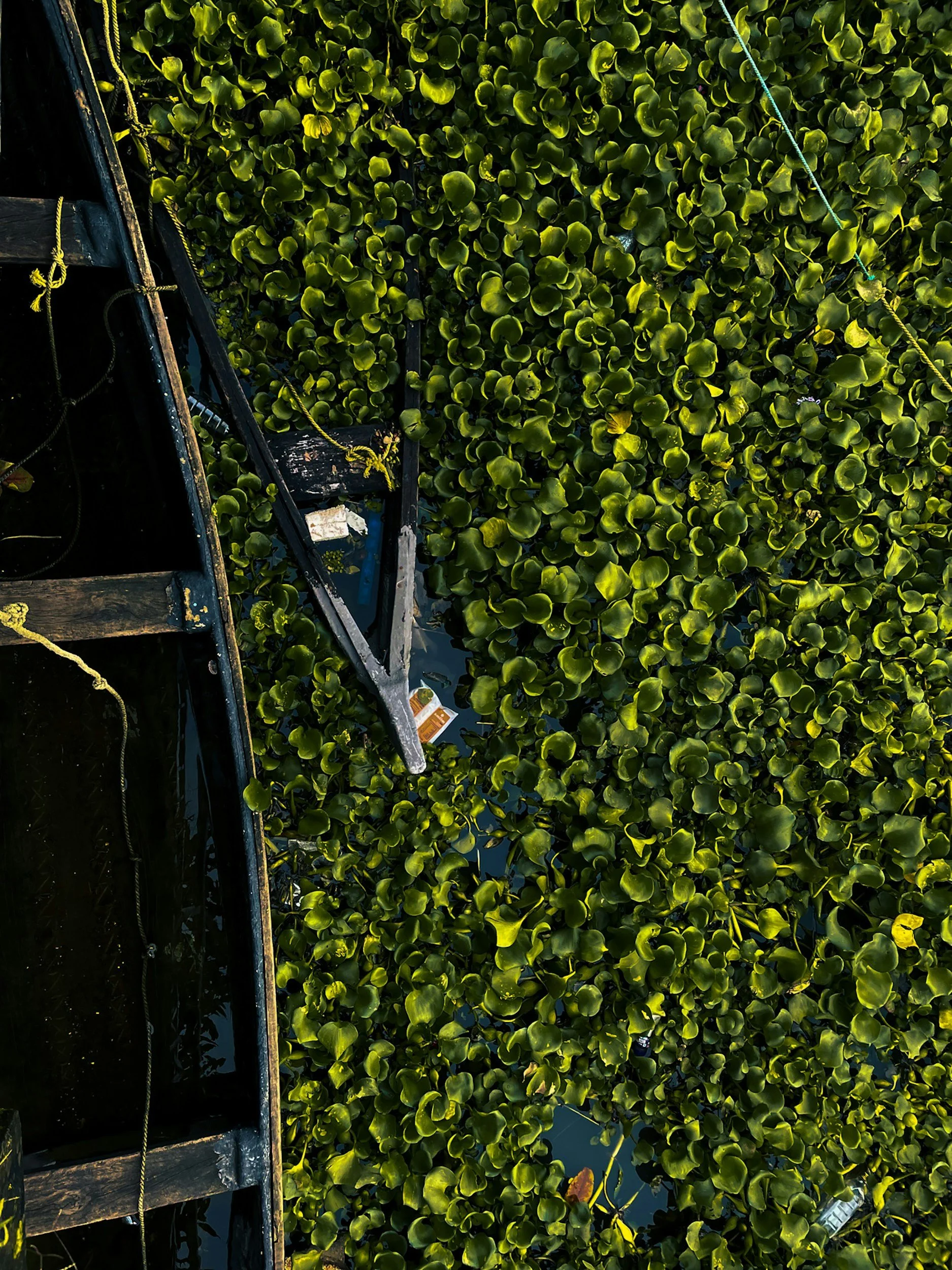
Because Kochi’s humidity is a character in its own right, hydration and food safety matter. Stick to reputable places for raw salads; let street food be the domain of hot, fried snacks like banana fritters and pazham pori. On backwater trips, confirm where your meal is being cooked and how the water is sourced—most established operators maintain good standards, but questions are free. Beer and toddy (palm wine) are part of the local conversation, yet day-drinking plus boat rides plus heat can be a messy equation, so pace yourself if you’re not used to any one of those variables, let alone all three.
"Kochi feels less like a city and more like a pause button where food and tide agree to slow everything down for a while."
— Maya
The Verdict: Come to Kochi when you want seafood that tastes like it remembers the sea, coffee that remembers the hills, and a city that remembers to exhale on your behalf.